With harvest now complete and vinifications well underway, we have gathered the first impressions from our viniculturists.
With harvest now complete and vinifications well underway, we have gathered the first impressions from our viniculturists across the French wine regions explored by Boisset, La Famille des Grands Vins.
The 2026 vintage stands out for its earliness and contrasts: depending on the region, teams have had to contend with heat, adapt harvest timings and rethink long-established benchmarks.
A distinctive vintage that highlights the commitment and adaptability of the women and men who, from vineyard to cellar, shape our wines every day.
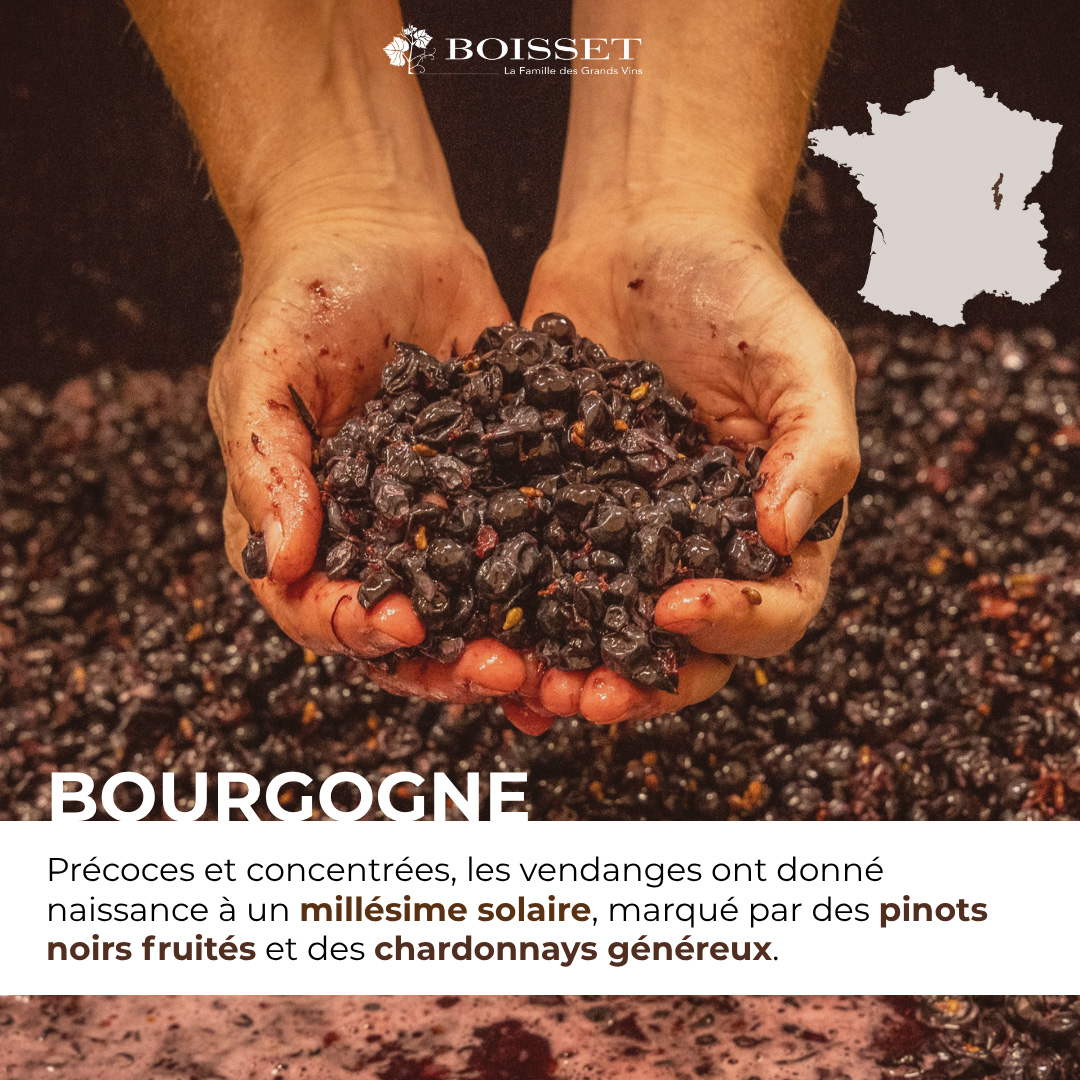
Burgundy – An early and concentrated harvest produced a sun-drenched vintage, characterized by fruit-forward Pinot Noirs and generous Chardonnays.
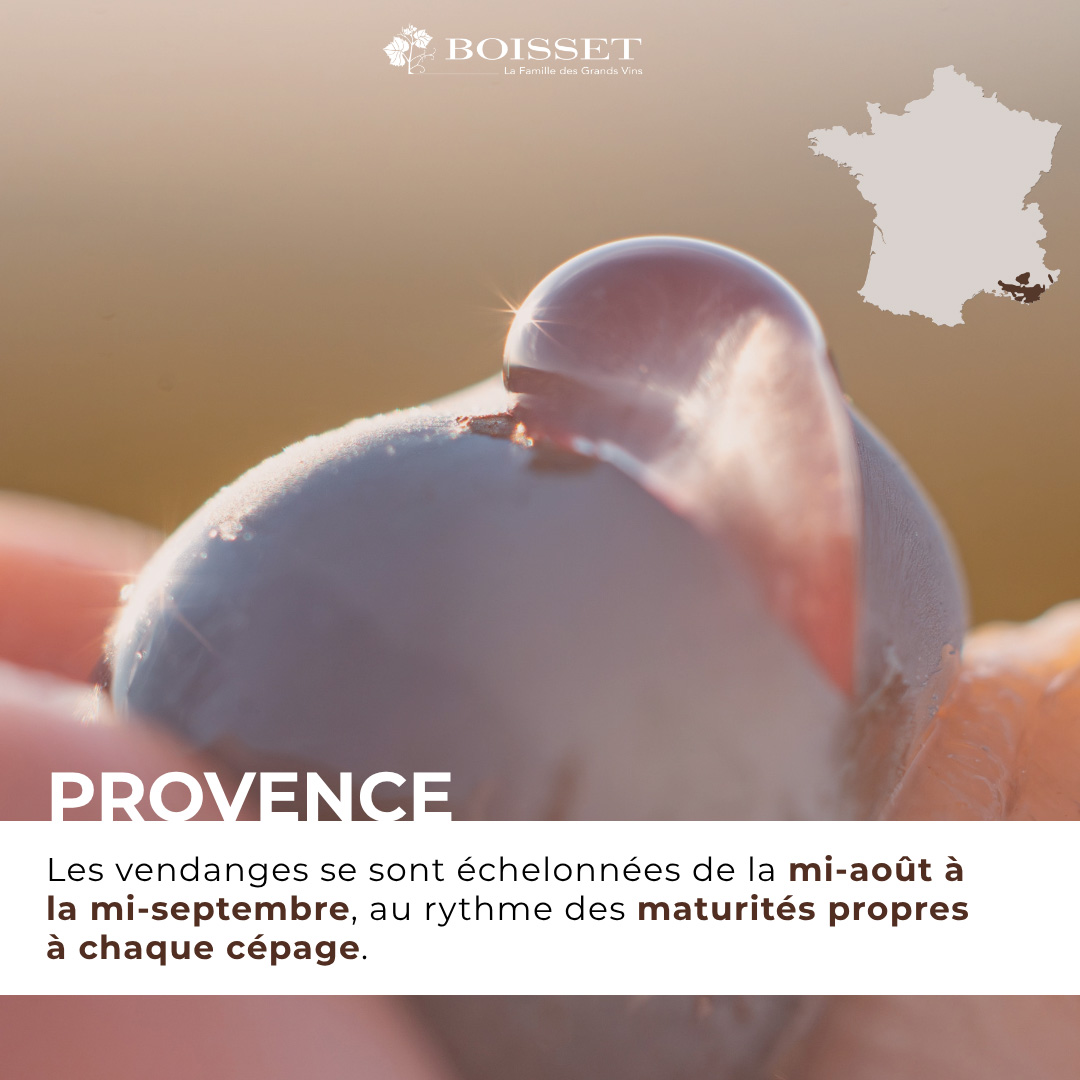
Provence – The harvest took place from mid-August to mid-September, following the individual ripening pace of each grape variety.
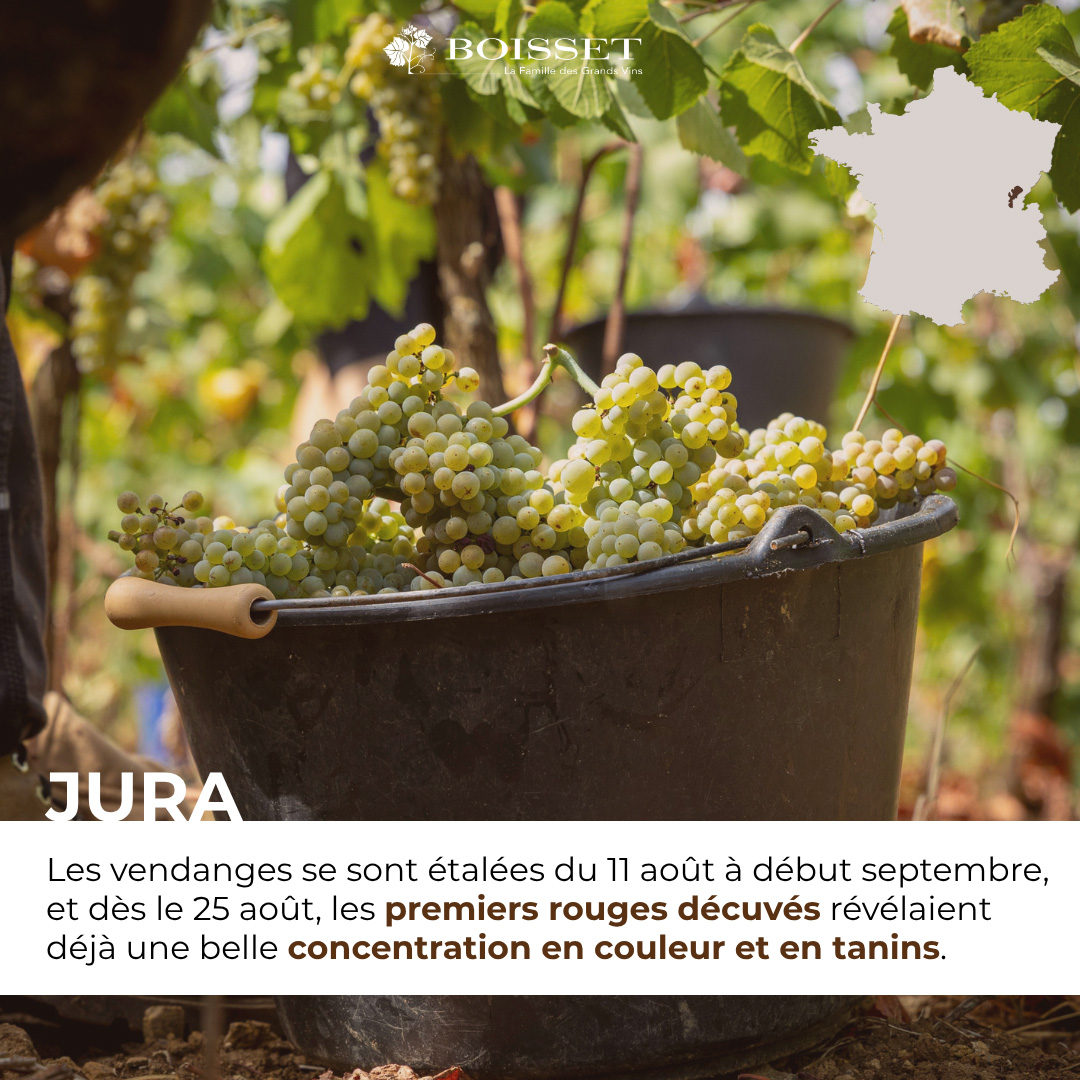
Jura – The harvest ran from 11 August to early September, and by 25 August, the first red wines to be drawn off the skins were already showing excellent concentration of colour and tannins.
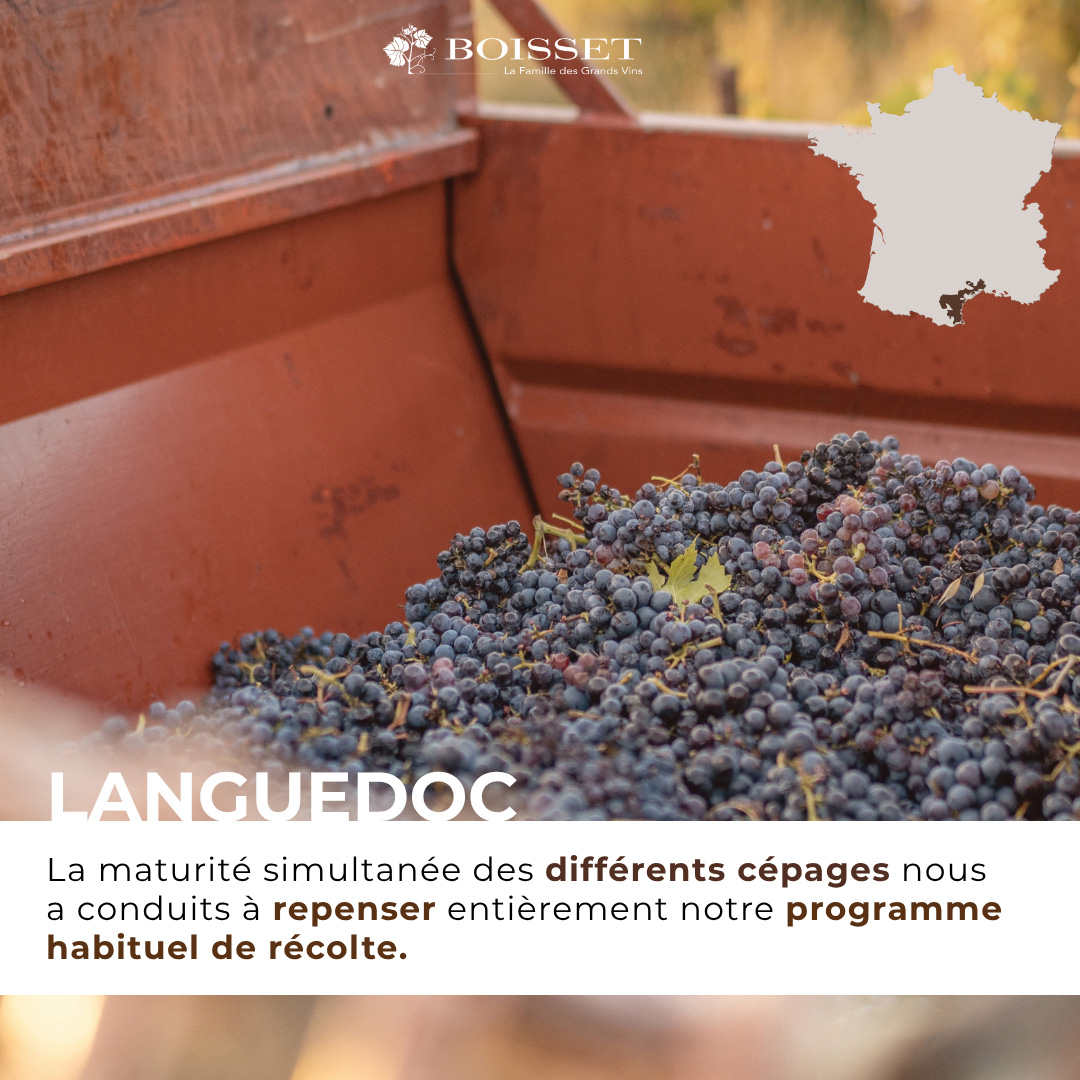
Languedoc – The simultaneous ripening of the different grape varieties led us to completely rethink our usual harvesting schedule.
Crémant de Bourgogne – The harvest began early, following a particularly short period between véraison and full ripeness.
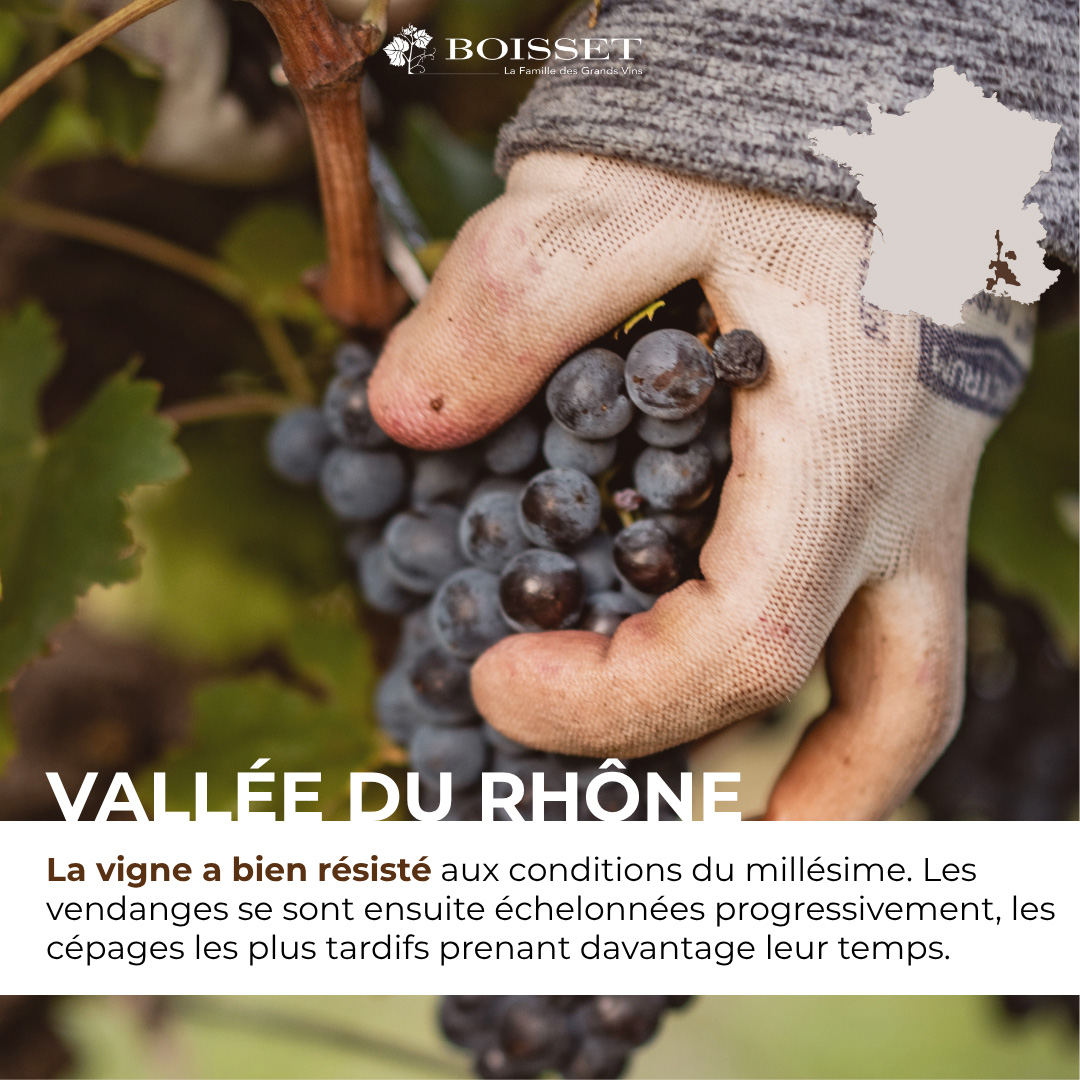
Rhône Valley – The vines withstood the vintage’s conditions well. The harvest then progressed gradually, with the later-ripening grape varieties taking more time to reach maturity.
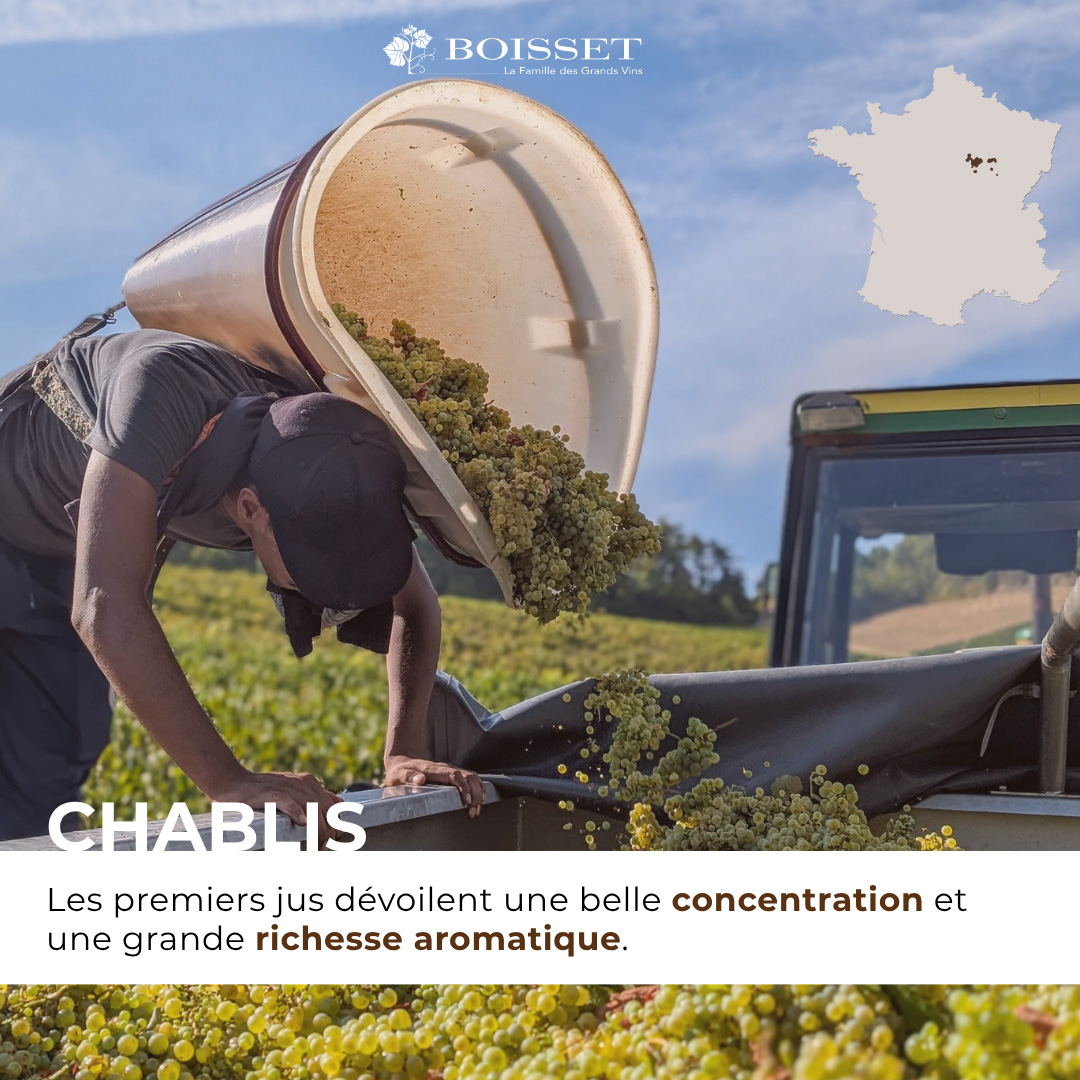
Chablis – The first juices are showing excellent concentration and remarkable aromatic richness.
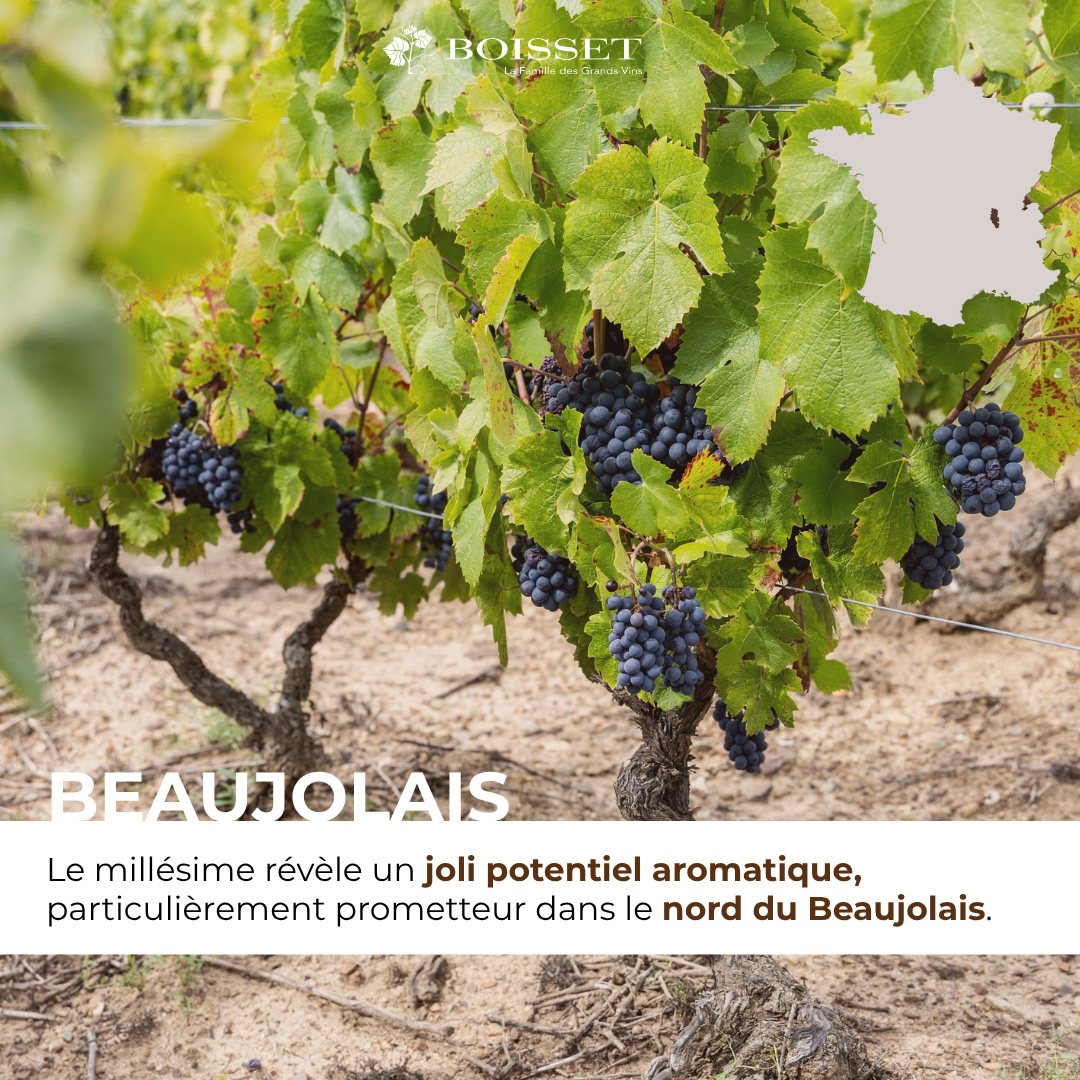
Beaujolais – The vintage is showing very promising aromatic potential, particularly in northern Beaujolais.
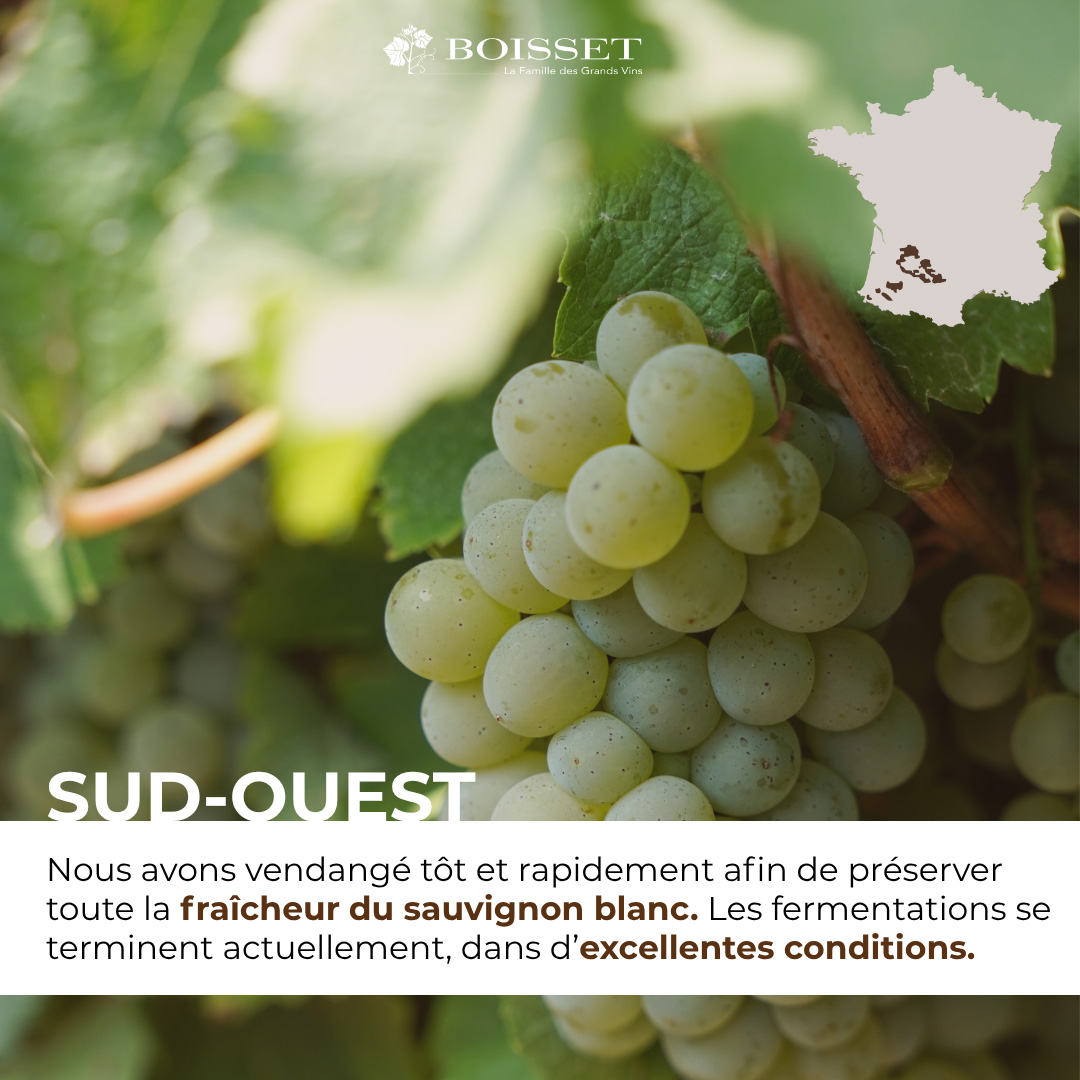
South West – We harvested early and quickly to preserve all the freshness of the Sauvignon Blanc. Fermentation is now coming to an end under excellent conditions.
©wineographic ©Boisset
Tags